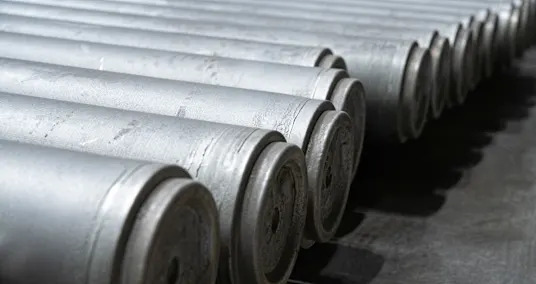
Fears of global aluminium shortages that could affect the production of clean energy technologies intensified after Iran struck two major Gulf aluminium producers, sending prices to a four-year high. The Middle East accounts for 9% of the world’s production of aluminum, which is essential to a wide range of industries from transportation, construction, and packaging, as well as the manufacture of solar panels, electrical transmission systems, wind turbines, and EVs.
Export shipments to the US and Europe had already come to a halt because of the effective closure of the Strait of Hormuz, and Morgan Stanley economists singled out aluminium as carrying a high level of risk across the value chain. Andy Farida, an aluminium analyst at Fastmarkets, told Semafor that high prices would be passed on to end-users, ultimately causing demand destruction. “A prolonged shutdown (with little to no alternative supplies other than Russia and China) could cripple the supply of aluminium to support the production of clean and green technology,” he said, adding that relief could come “if governments allow some sanctioned Russian and Chinese aluminium to be imported.”

latest_posts
- 1
 'Euphoria' releases Season 3 trailer, premiere date: Watch Rue and Laurie finally face off
 - 2Conquering Language Boundaries: Individual Accounts of Multilingualism
- 3My Enterprising Excursion: Building a Startup
- 4'Weezer: The Gathering' 2026 tour: How to get tickets, prices, dates and more
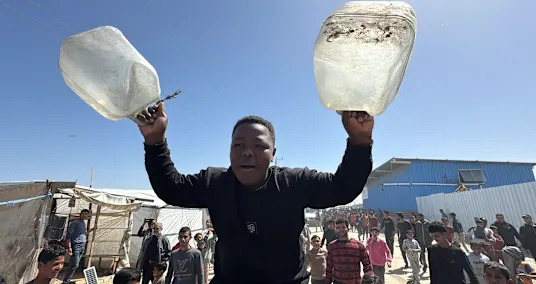
- 5‘Dying of thirst’: Inside Gaza’s al-Mawasi water crisis



- New Year's superstitions: Eating 12 grapes, avoiding laundry and other rituals that are said to bring good fortune
- One ant for $220: the new frontier of wildlife trafficking
- ‘Raising 10 red flags’: Is Israel’s army exhausted?
- Transcript: NASA's Jared Isaacman on "Face the Nation with Margaret Brennan," April 5, 2026
- The most effective method to Go Down Abundance through Ages with Disc Rates
- Vote in favor of your favored spot to peruse
- Scientists reveal earliest evidence for shifting of Earth’s crust
- Scientists sent a menstrual cup to space. This is how it went
- Exploring the Gig Economy: Illustrations from Consultants